
2D inspection + code / OCR
Use O2U where one sensor should combine surface/contour inspection with 1D/2D code reading, OCR, measurement and position/orientation detection.
Choose 2D inspection, code/OCR reading, 3D measurement, robotic perception or RFID according to the actual inspection and traceability task. These technologies solve different problems and should not be treated as interchangeable sensors.
Presence inspection, dimensional geometry, code reading, robotic perception and non-line-of-sight traceability are different engineering problems. Select the sensing principle before selecting the order number.
Use O2U where one sensor should combine surface/contour inspection with 1D/2D code reading, OCR, measurement and position/orientation detection.

Use O3D when depth, level, volume, case completeness, box dimensions or depalletising geometry must be measured.
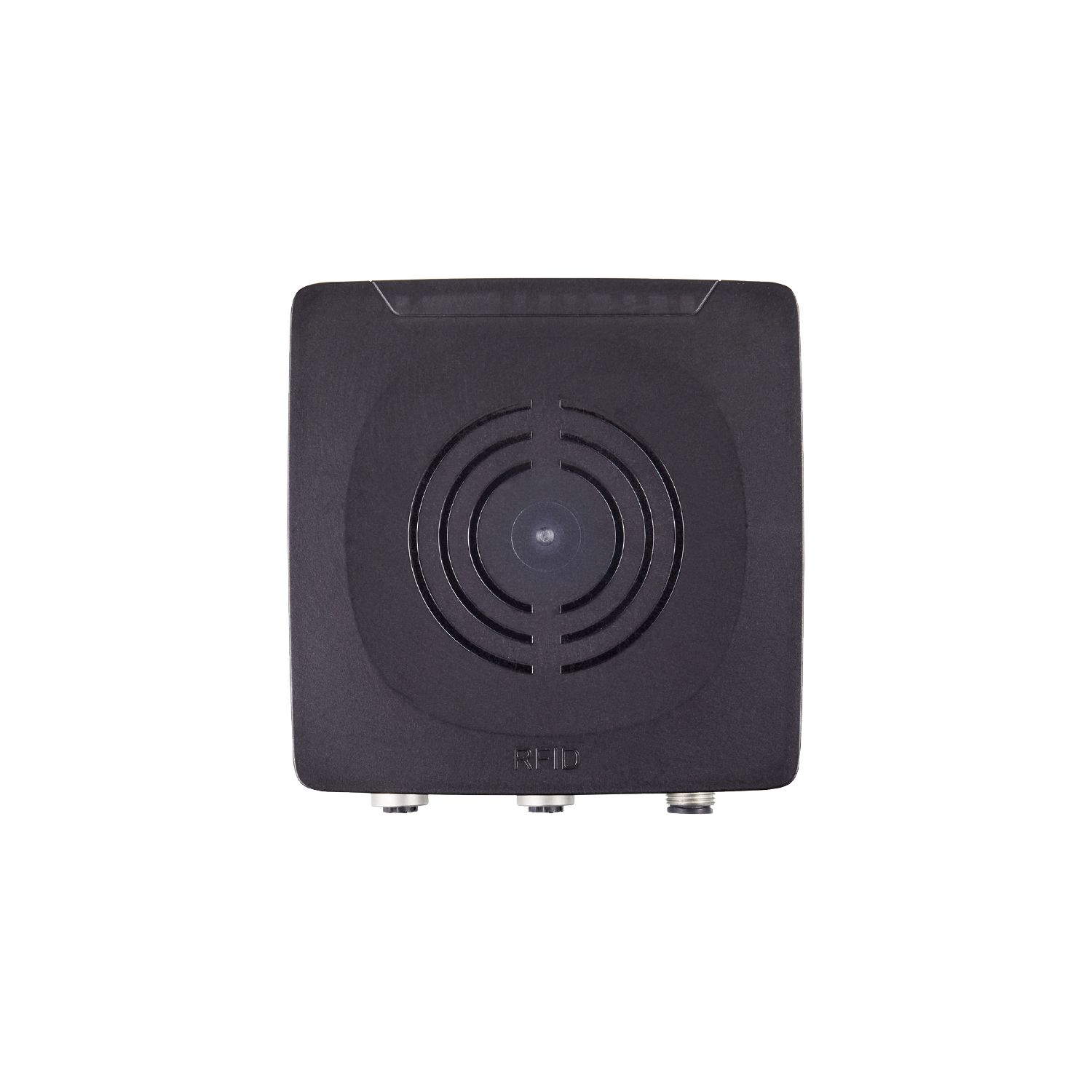
Use HF/UHF RFID where data must be associated with a tag and optical line-of-sight or code quality would be a limitation.
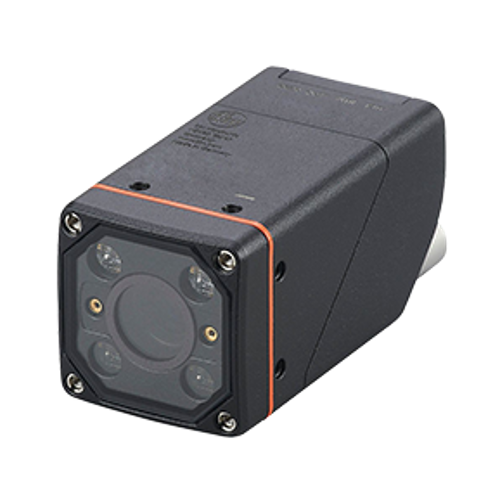
For error-proofing and inspection using contour recognition and BLOB analysis in a compact sensor with integrated lighting and evaluation.
Combines inspection, measurement, code reading and OCR, with robot-sensor calibration and modern interface options.
Use 2D imaging when the result depends on a visible surface feature: shape, contour, colour/contrast, printed code, text, orientation or completeness.
ifm's 3D portfolio separates fixed industrial measurement tasks from perception platforms for mobile robotics and operator assistance on mobile machines.
Time-of-Flight sensor for packaging and material-handling tasks such as case completeness, box dimensioning, level measurement and depalletising.

Multi-camera / multi-modal perception architecture for mobile robots, centralised image/sensor processing and developer-driven applications.
Explore the O3R platform →
3D scene and object detection for operator-assistance applications on mobile machinery, including challenging outdoor influences.
Camera-based code readers identify 1D/2D codes and, on suitable devices, text through OCR. They are useful for product tracking, control and serial/type identification when the code is visible.
ifm offers RFID routes from compact IO-Link devices to fieldbus evaluation systems, HF 13.56 MHz products and UHF architectures for longer-range track-and-trace tasks.
Check contour, presence, holes, dimensions, orientation or completeness using O2D5/O2U according to the required algorithm and integration.
Read a code, locate a part and transfer position/orientation information to a robot; for depth/perception tasks, review O3D/O3R.
Combine code/expiry-date reading with label inspection in 2D, or use 3D for case completeness, dimensioning and fill/level geometry.
Use code readers for visible labels, RFID for tag-based identity, or O3R for mobile-robot perception and pallet/obstacle applications.
HF RFID can store/read production or quality information at defined read points; UHF supports longer-range identification where appropriate.
O3M provides a dedicated 3D route for operator-assistance use cases rather than reusing a fixed factory vision sensor.
| Task | First route to review | Why | Key selection variables |
|---|---|---|---|
| Contour, shape, completeness, count, visual quality | O2D5 | Compact 2D inspection with contour and BLOB tools. | Field of view, working distance, smallest feature, lighting, cycle time. |
| Code/OCR + visual inspection in one device | O2U Universal route | Combines code reading, OCR, measurement and object inspection. | Code type, target size, working distance, interface, lighting. |
| Box dimensions, level, volume, depalletising | O3D | 3D Time-of-Flight depth measurement. | Distance, field of view, target geometry, ambient conditions. |
| AMR / multi-camera robotic perception | O3R | Perception platform designed for multi-modal and multi-camera development. | Coverage, camera count, compute, software/SDK, vehicle architecture. |
| Visible serial / barcode / Data Matrix / QR | Optical identification | No tag is required when the printed/direct-part mark is readable. | Code quality, contrast, size, motion, reading distance. |
| Non-line-of-sight identity / data on tag | RFID | Tag-based identification works without optical code visibility. | HF vs UHF, range, tag, metal/liquid environment, interface. |
Vision selection is not complete when the image looks good. Triggering, PLC/robot interface, result data, lighting, part presentation, field of view and replacement/parameter strategy all need to be defined.