

Industrial SSD
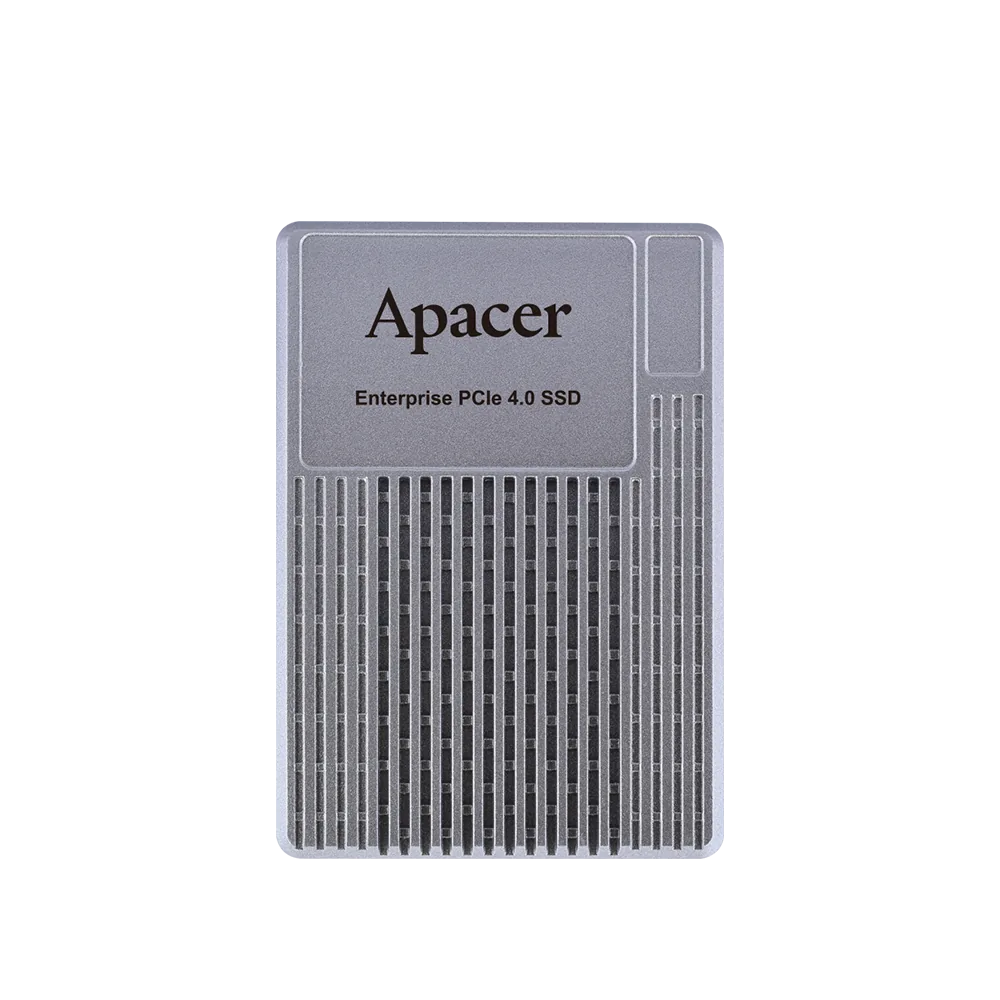
Apacer Industrial SSD product families span PCIe SSD and SATA interfaces. Depending on the selected model, Apacer value-adding technologies can include CorePower, DataDefender™, CoreSecurity2, End-to-End Data Protection, Smart Read Refresh™, wide-temperature support and ruggedized construction.
| Family | Interface / form factor | Technology scope | Protection options | Typical use |
|---|---|---|---|---|
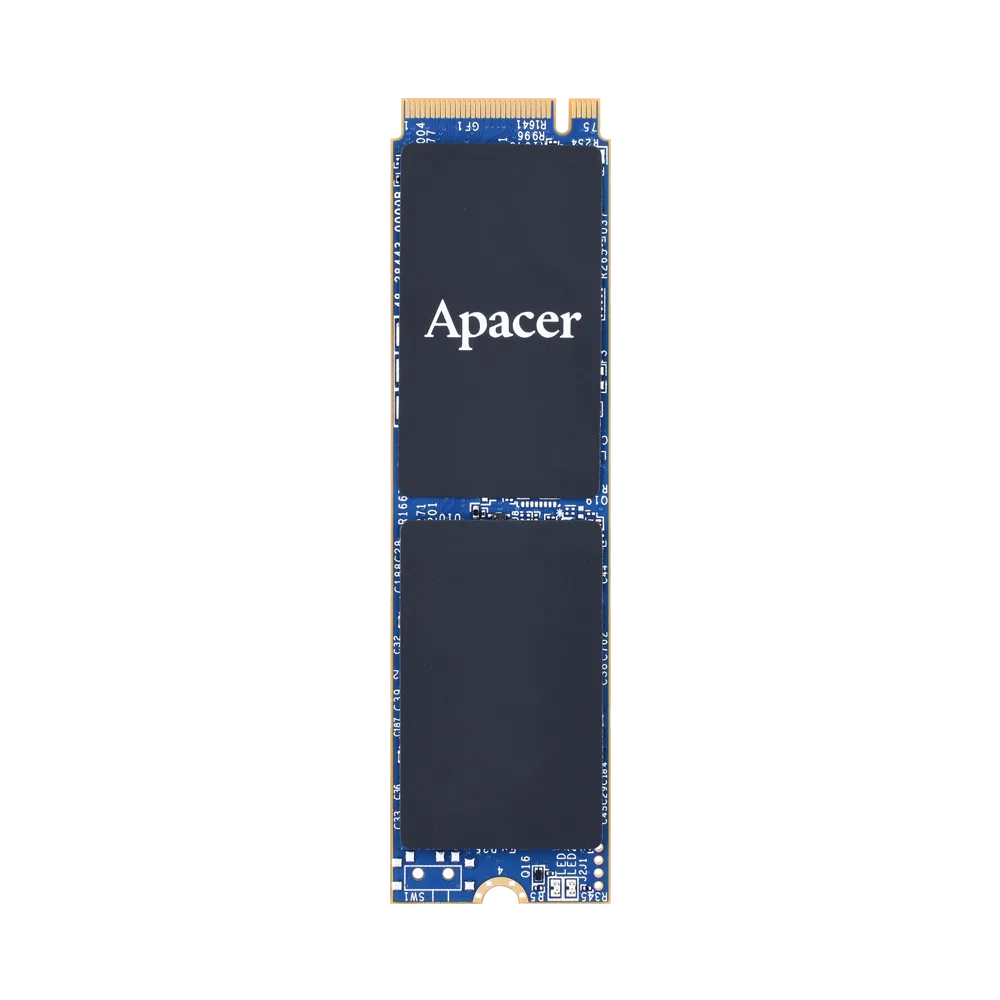
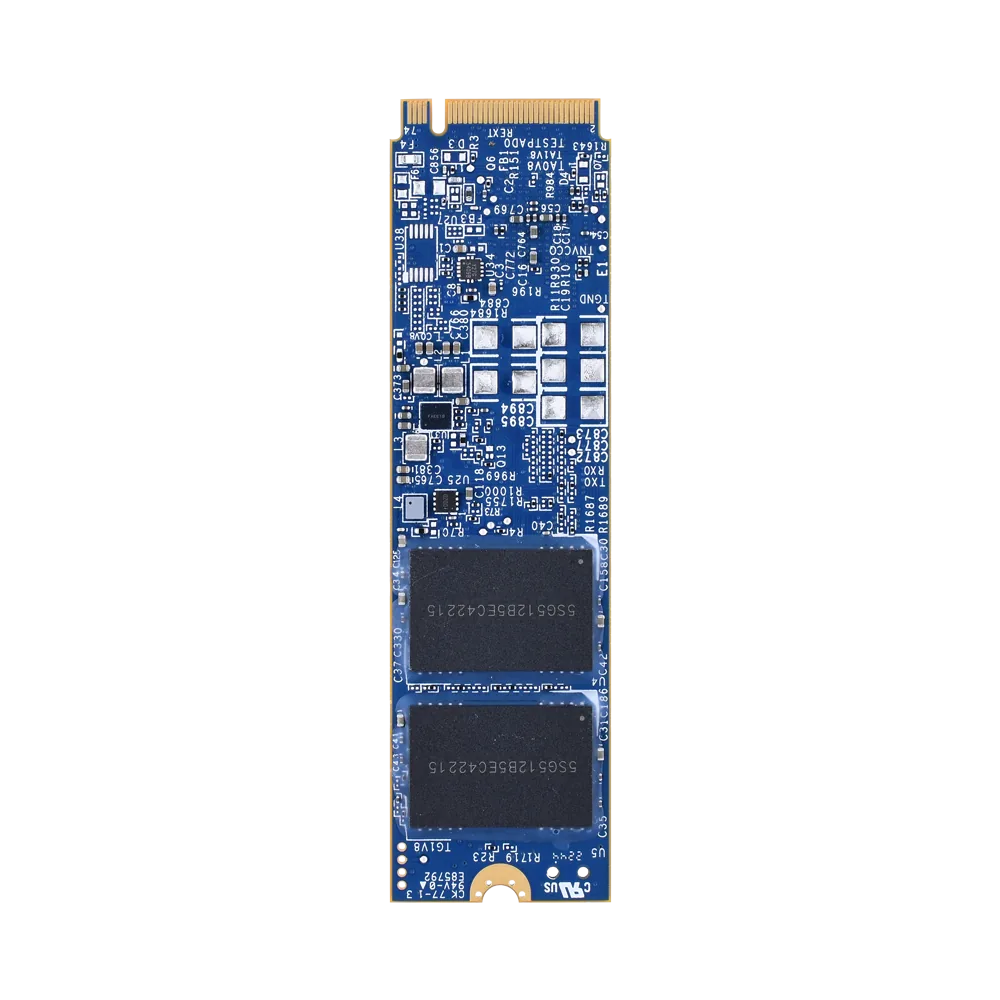
| PCIe / NVMe SSD | PCIe Gen3/Gen4 · M.2, U.3, E1.S or BGA by family | NVMe products from compact embedded to enterprise-class formats | LDPC · E2E protection · thermal management · PLP on selected models | Edge computing, vision and high-rate logging |
| SATA SSD | SATA 6 Gb/s · 2.5 inch, 1.8 inch and module formats | Broad host compatibility and industrial boot/data storage | S.M.A.R.T. · TRIM · DataDefender/CorePower on selected models | Industrial PCs, automation and transportation |
| Compact SATA SSD | M.2 SATA · mSATA · HalfSlim · SSD modules | Space-constrained embedded storage | Controlled configuration · ruggedization and security options by family | Embedded controllers and compact systems |
Industrial SSD Capabilities
Workload-matched storage
Select interface, form factor, capacity and endurance around the expected write pattern, retention period and service profile.
Defined power-loss behaviour
Use products with documented power-failure management or power-loss protection where sudden interruption is part of the operating risk.
Environmental configuration
Choose commercial, extended or wide-temperature products together with the required shock, vibration and thermal design.
Lifecycle and health visibility
Use S.M.A.R.T., security and controlled-revision options where maintenance planning and repeat system builds require them.
Technical Features
Host interface matching
PCIe lane count, connector keying, NVMe revision and BIOS or UEFI boot support must align with the target platform. This avoids reduced link speed, boot failures and mechanical incompatibility.
Endurance matched to workload
NAND type, over-provisioning and controller behaviour determine how the drive handles sustained writes. TBW or DWPD should be assessed against actual logging rate, retention period and write amplification.
Power interruption resilience
Apacer uses different power-protection architectures by product family. DataDefender combines controller and firmware mechanisms, while CorePower adds a capacitor-backed energy reserve on supported models to move cached data to NAND during sudden power loss.
Data-integrity mechanisms
BCH or LDPC ECC, wear levelling, bad-block management, S.M.A.R.T., TRIM and end-to-end protection are available according to controller and product family. The protection stack must be verified for the exact SATA or NVMe model.
Thermal and mechanical operation
Wide-temperature variants, thermal sensing, throttling and heat-spreader options support sealed or fanless equipment. Selected rugged products add sidefill, conformal or nano coating, anti-sulfuration materials and 30 µm gold fingers.
Security and lifecycle control
Selected families support AES-256, TCG Opal, signed firmware, secure erase, write protection or other security functions. Fixed-BOM support, PCN/EOL processes and firmware customization are available for qualifying industrial programmes and must be confirmed for the selected model.
Specifications
| Parameter | Unit | Value / Description |
|---|---|---|
| INTERFACES & FORM FACTORS | ||
| PCIe / NVMe | — | M.2 2230/2242/2280/22110, U.3 15 mm, EDSFF E1.S and BGA uSSD options across supported families. PCIe Gen3 and Gen4 products are available. |
| SATA | — | 2.5-inch and 1.8-inch SATA SSDs, M.2 SATA, mSATA, HalfSlim and SSD-module formats, depending on family. |
| Capacity | — | From compact boot capacities to multi-terabyte storage; exact range depends on interface, NAND and product family. |
| Flash technology | — | SLC, MLC, 3D TLC/eTLC and endurance-oriented SLC-lite or SLC-liteX technologies on selected families. |
| RELIABILITY & ENVIRONMENT | ||
| Error correction | — | BCH or LDPC ECC with wear levelling and bad-block management; end-to-end data protection on supported products. |
| Power protection | — | DataDefender power-failure protection and capacitor-backed CorePower on selected SSD families; coverage must be checked for the exact model. |
| Monitoring | — | S.M.A.R.T., thermal sensing, SSDWidget or other health-monitoring functions where supported. |
| Operating temperature | °C | Commercial, extended and wide-temperature variants, including products specified for -40 to +85 °C. |
| SECURITY, RUGGEDIZATION & LIFECYCLE | ||
| Security | — | AES-256, TCG Opal, signed firmware, secure erase, write protection and related functions on selected products. |
| Mechanical / environmental protection | — | Sidefill, conformal or nano coating, anti-sulfuration, 30 µm gold finger and heat-spreader options on specific families. |
| Lifecycle management | — | Fixed-BOM support, PCN/EOL processes, long-term project support and firmware customization for qualifying products and programmes. |
Applications
Industrial PCs
Provide reliable operating-system, application and local database storage in panel PCs, box PCs and fanless controllers. SATA remains useful for broad compatibility, while NVMe supports higher throughput.
Continuous data logging
Record test, process, vehicle or environmental data over long duty cycles. Endurance, sustained write speed and power-fail behaviour should be calculated from the real acquisition profile.
Machine vision
Store image streams, inspection results and AI inference data close to the camera or controller. NVMe bandwidth and thermal design become critical when several high-resolution streams are written simultaneously.
Transportation systems
Support onboard logging, passenger information and diagnostics in vehicles and rail equipment. Wide-temperature operation and resistance to vibration are central selection criteria.
Medical equipment
Provide controlled-lifecycle storage for imaging, diagnostics and connected medical systems. Revision control helps reduce software-image and qualification disruption during the product lifecycle.
Edge servers
Host local analytics, caching and container workloads close to machines or sensors. High-capacity NVMe products can reduce cloud traffic while maintaining low-latency access to operational data.
Similar Products
All Apacer products →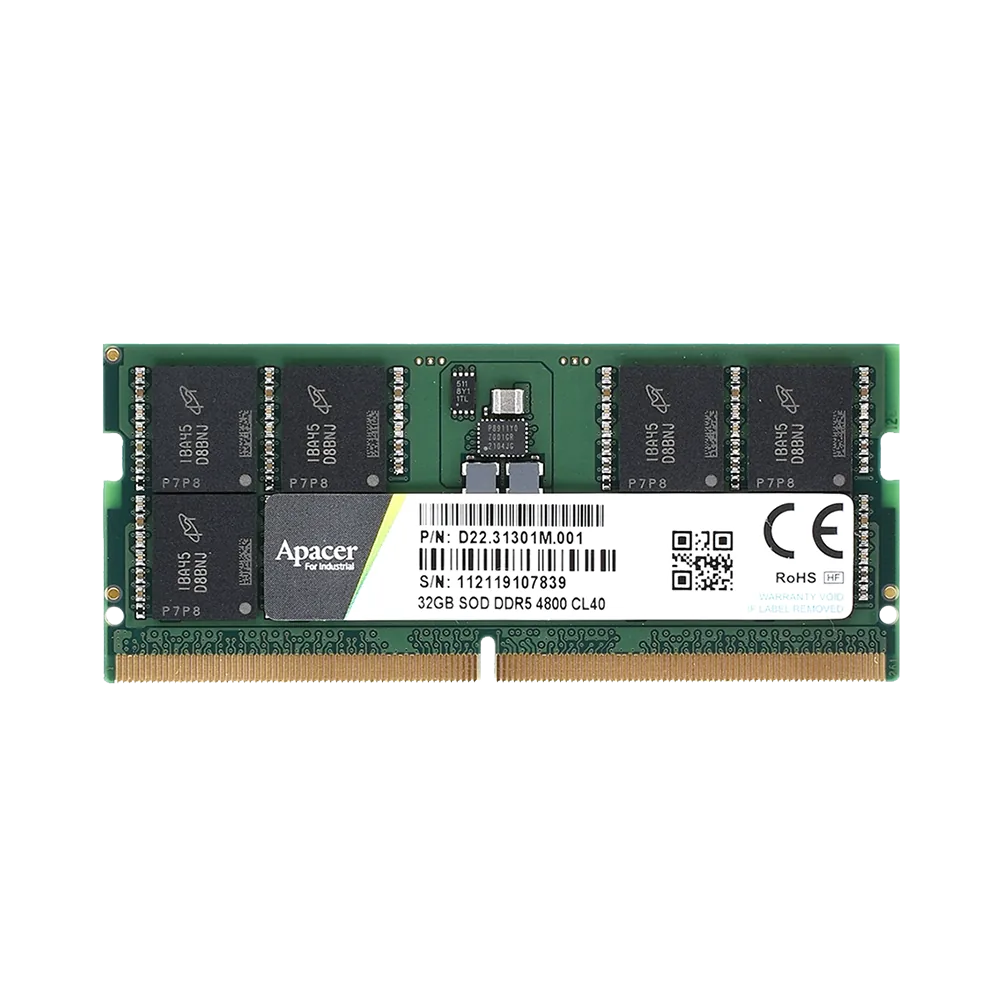
Apacer Industrial DRAM Module families across DDR5, DDR4 and legacy generations, with ECC, VLP, Wide Temperature and rugged options on supported series.
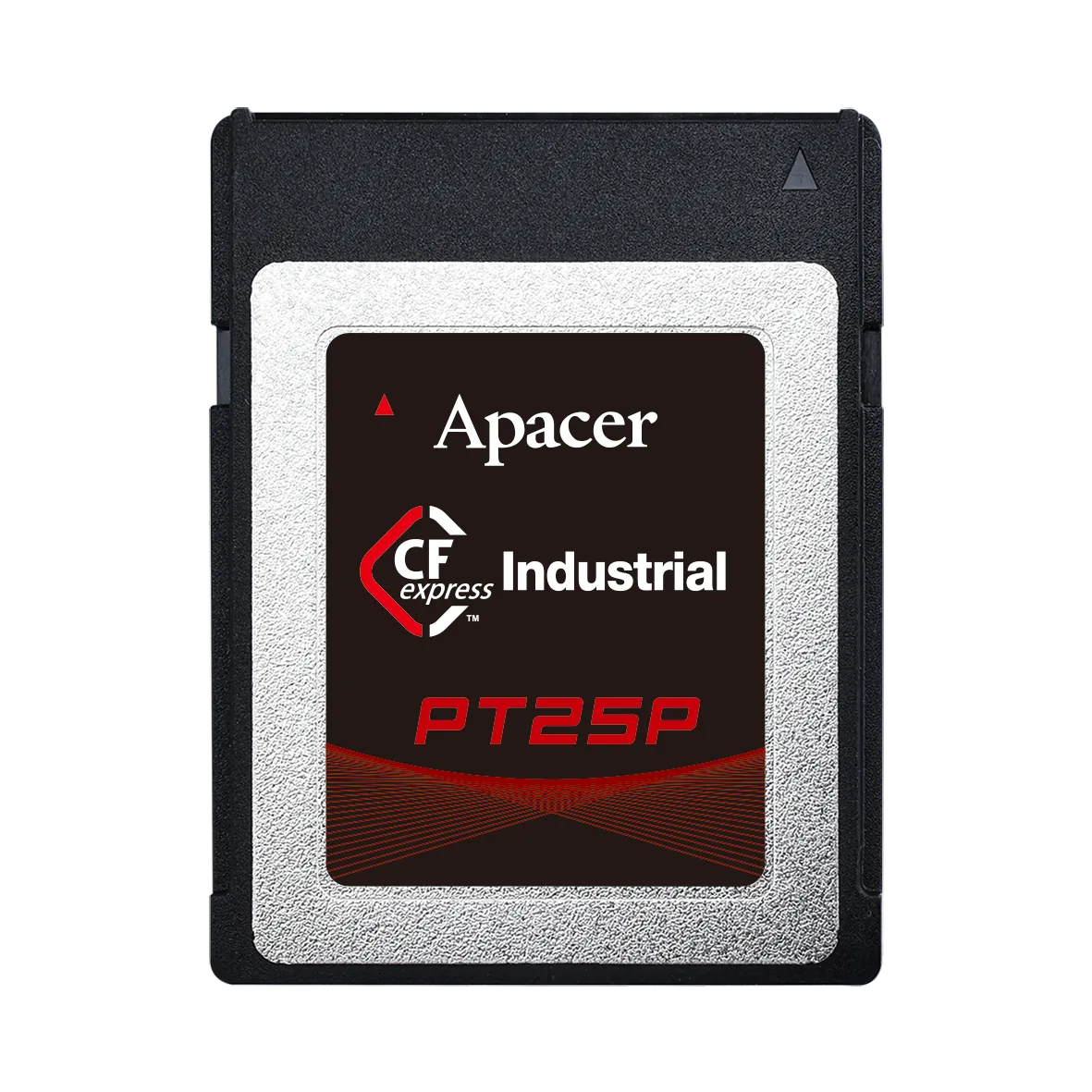
Apacer Industrial Card families across SD, microSD, CompactFlash, CFast and CFexpress, with value-adding features determined by model.
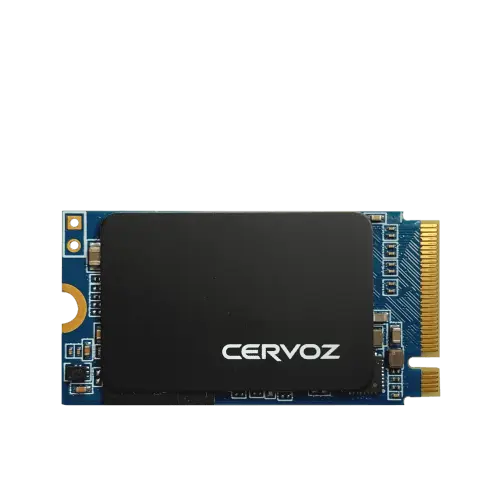
Cervoz Industrial Embedded Module families in M.2, mSATA, Half Size mSATA, Half Slim, SATA Disk and PATA Disk formats.